Elektronische Schichten
Elektronische Schichten mit verschiedenen Eigenschaften
Elektronische Beschichtungen spielen in den Materialwissenschaften eine zentrale Rolle und haben zahlreichen technologischen Durchbrüchen den Weg geebnet. Sie sind essenziell für die Funktionsweise moderner Halbleitergeräte, Sensoren und Energiespeicherlösungen.
Ebenso prägen sie die Effizienz von Solarzellen, die Integrität von Leiterplatten und die Leistungsfähigkeit von Displays. Ihre Vielseitigkeit und Relevanz machen sie zu einem unverzichtbaren Bestandteil des Fortschritts in der heutigen Elektronikindustrie.
Erfahren Sie mehr über die Möglichkeiten von elektronischen Schichten.
What we offer
Electrically conductive layers
Electrically conductive coatings can be generated by applying thin metal layers using a direct current sputtering process in a vacuum (DC sputtering). Depending on the underlying material and the layer underneath, the properties of the metal layer in terms of barrier or adhesion are important in addition to electrical conductivity.
Conductive layers in electrical circuits are for example
- Copper (Cu)
- Silber (Ag)
- Gold (Au)
- Platinum (Pt)
- Palladium (Pd)
Transparent electrically conductive layers
Transparent conductive coatings combine low electrical resistance with high light transmission. Such coatings can consist of transparent conductive oxides (TCO) or extremely thin metal layers.
With our coating service from FHR, we offer capacity in our application laboratory on our in-house coating equipment and experienced experts to advise and support you. With our equipment we can perform the appropriate sputtering processes for the deposition of electrically conductive layers on glass- silicon or foil substrates.
Examples for transparent conductive oxides (TCO)
- Indium tin oxide (ITO)
- Aluminium-doped zinc oxide (AZO)
- Fluorine-doped tin oxide (FTO)
- Antimony-doped zinc oxide (ATO)
Ultra-thin metal films consist for example of
- Gold (Au)
- Silver (Ag)
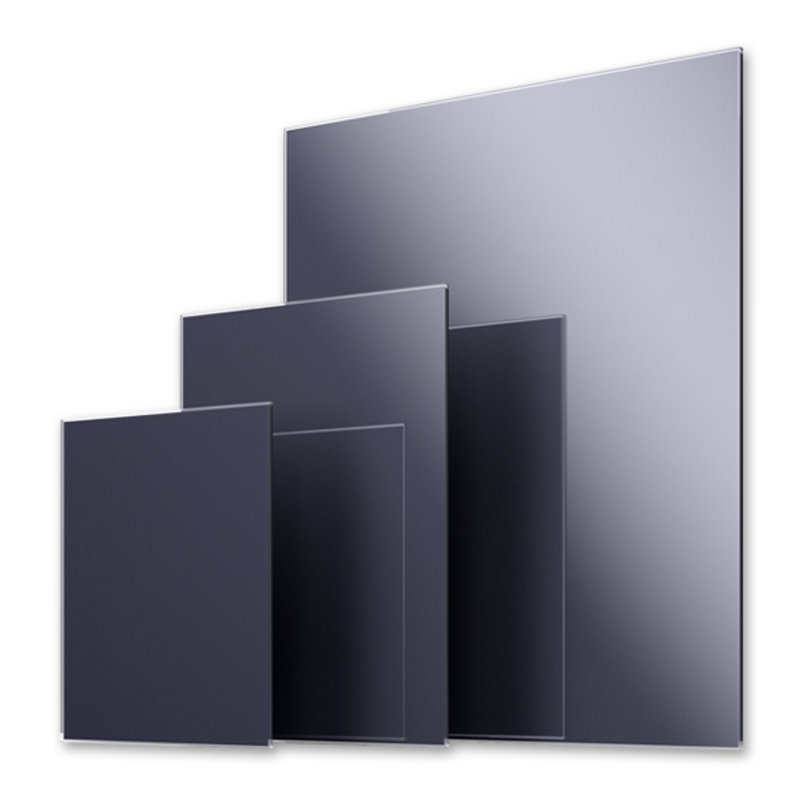
Coating service
We offer you capacities for this in our application laboratory on our in-house coating systems and experienced experts who will advise and support you. Whether for prototype tests or coating in small series.
High-resistance layers (resistors)
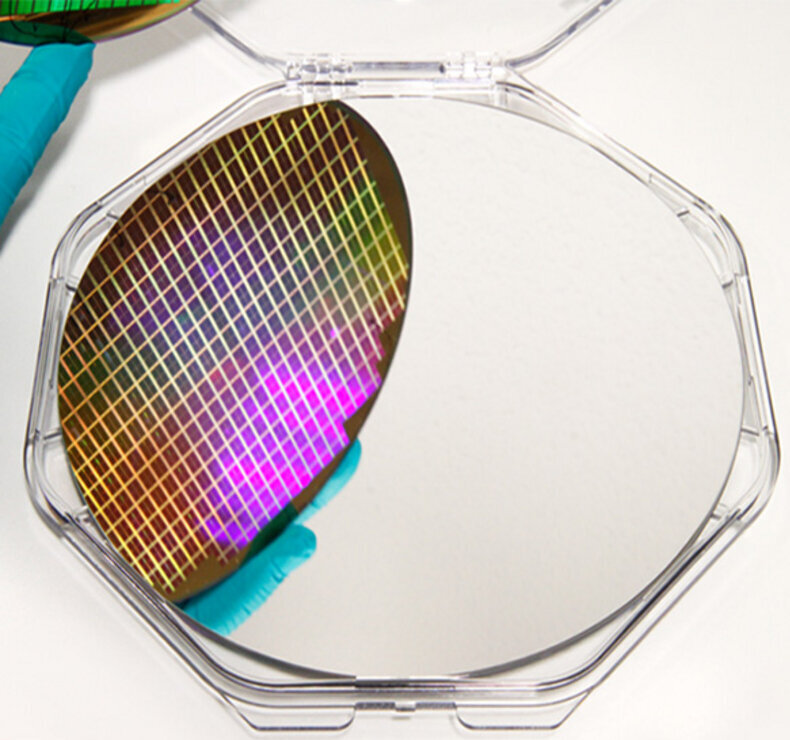
The electrical resistance of high-resistance coatings can be adjusted over a wide range by selecting suitable materials, starting at around 10 ohms and extending to 1000 ohms and the mega-ohm range.
Conductive layers in electrical circuits are, for example
- Tantalnitrid (TaN)
- Nickelchrom (NiCr)
Coating material up to 1000 Ohm
- Siliziumchrom (SiCr)
- Siliziumchromoxid (SiCrOx)
Coating material up to 1 mega-ohm
- Dotiertes Polysilizium
Electrically insulating layers (dielectrics)
Dielectric materials have no free charge carriers, which is why they are usually not electrically conductive or only slightly so. Therefore, they are often used as insulators. With certain techniques, such as RF sputtering, pulsed DC sputtering or reactive sputtering, they can be deposited in thin layers.
Conductive layers in electrical circuits are for example
- Aluminium oxide (Al2O3)
- Silicon oxide (SiO2)
- Silicon nitride (SiN)
Other dielectric coatings
- Metal oxides such as molybdenum oxide (MoO2)
- Titanium oxide (TiO2)
- Tungsten oxide (WO2)
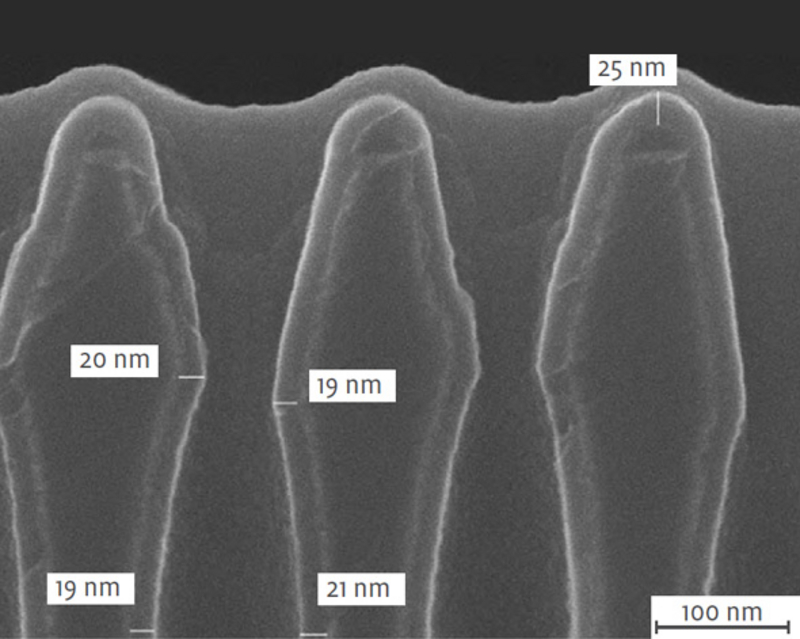
Realized projects with our equipment
From photovoltaics to microelectronics, from architecture to tool and die making - our vacuum coating systems are used everywhere. Discover some of our project examples.
Darum sollten Sie mit uns arbeiten
Gemeinsam in die Zukunft der Beschichtung mit FHR:
- Branchenführende Qualität: Unsere Vakuumbeschichtungsanlagen sind auf höchste Präzision und Langlebigkeit ausgelegt.
- Maßgeschneiderte Lösungen: Wir bieten individuelle Lösungen für Ihr Beschichtungsprojekt, um Ihren speziellen Anforderungen gerecht zu werden.
- Innovative Ansätze: Mit unserer langjährigen Erfahrung und Expertise bei der Vakuumbeschichtung setzen wir neue Standards.
- Engagierter Kundenservice: Unser erfahrenes Team steht Ihnen jederzeit zur Verfügung, um Ihre Fragen zu beantworten und Sie bei Ihren Projekten zu unterstützen.
Entdecken Sie die vielfältigen Möglichkeiten, die unsere Vakuumbeschichtungsstechnik bietet und vertrauen Sie auf FHR als Ihren zuverlässigen Partner für herausragende Beschichtungslösungen. Kontaktieren Sie uns, um mehr zu erfahren und gemeinsam Ihre visionären Projekte zu realisieren.
Ihr Ansprechpartner
Sie haben Fragen?
Wenn Sie Fragen zum Thema Mikroelektronik und Beschichtung haben, dann hilft Ihnen unser Experte Marcus Schüler gerne weiter. Melden Sie sich bei uns.